Wilshire Boulevard between Crenshaw and Western, “Koreatown”

Claud Beelman architect, 1958
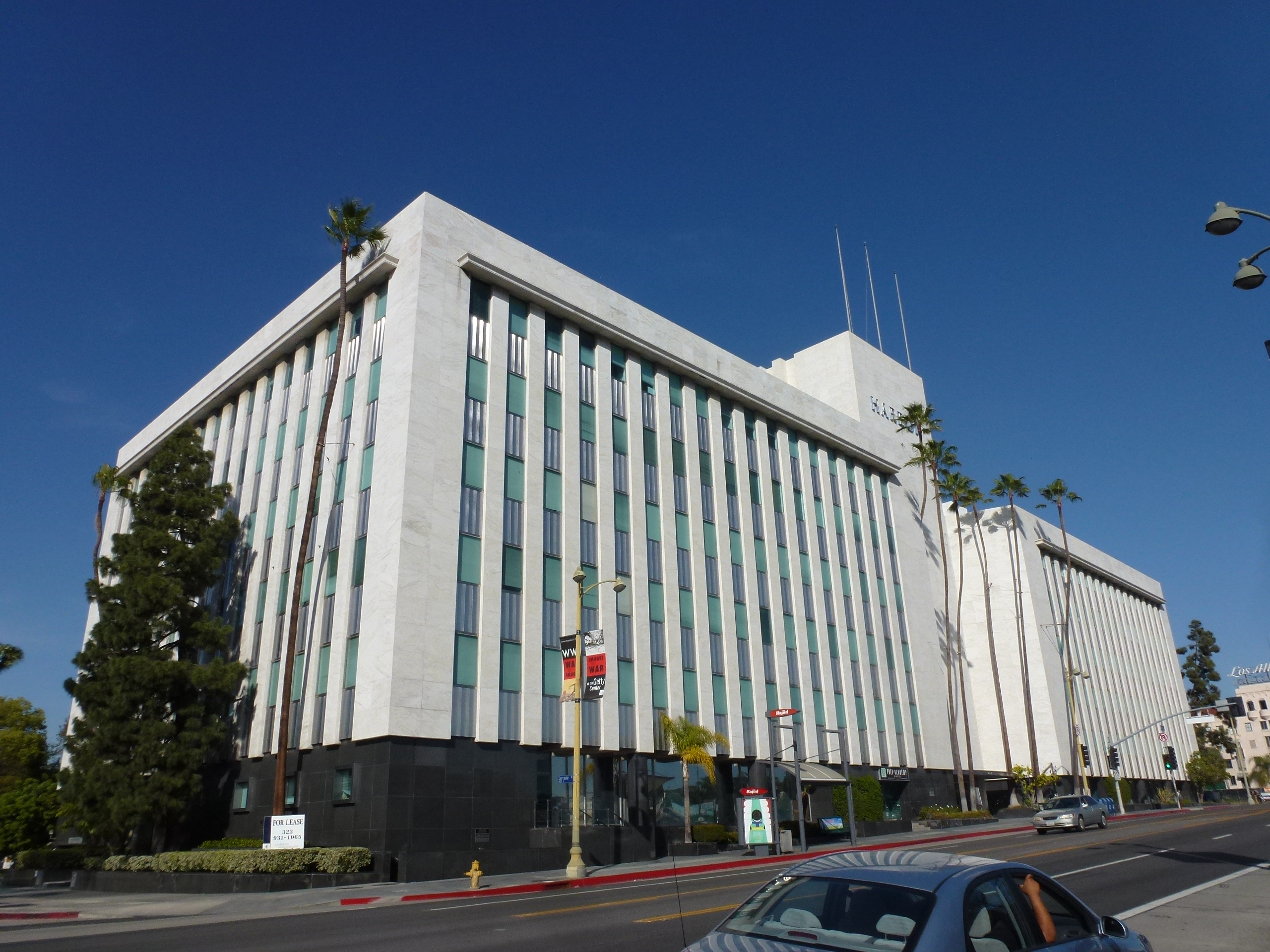
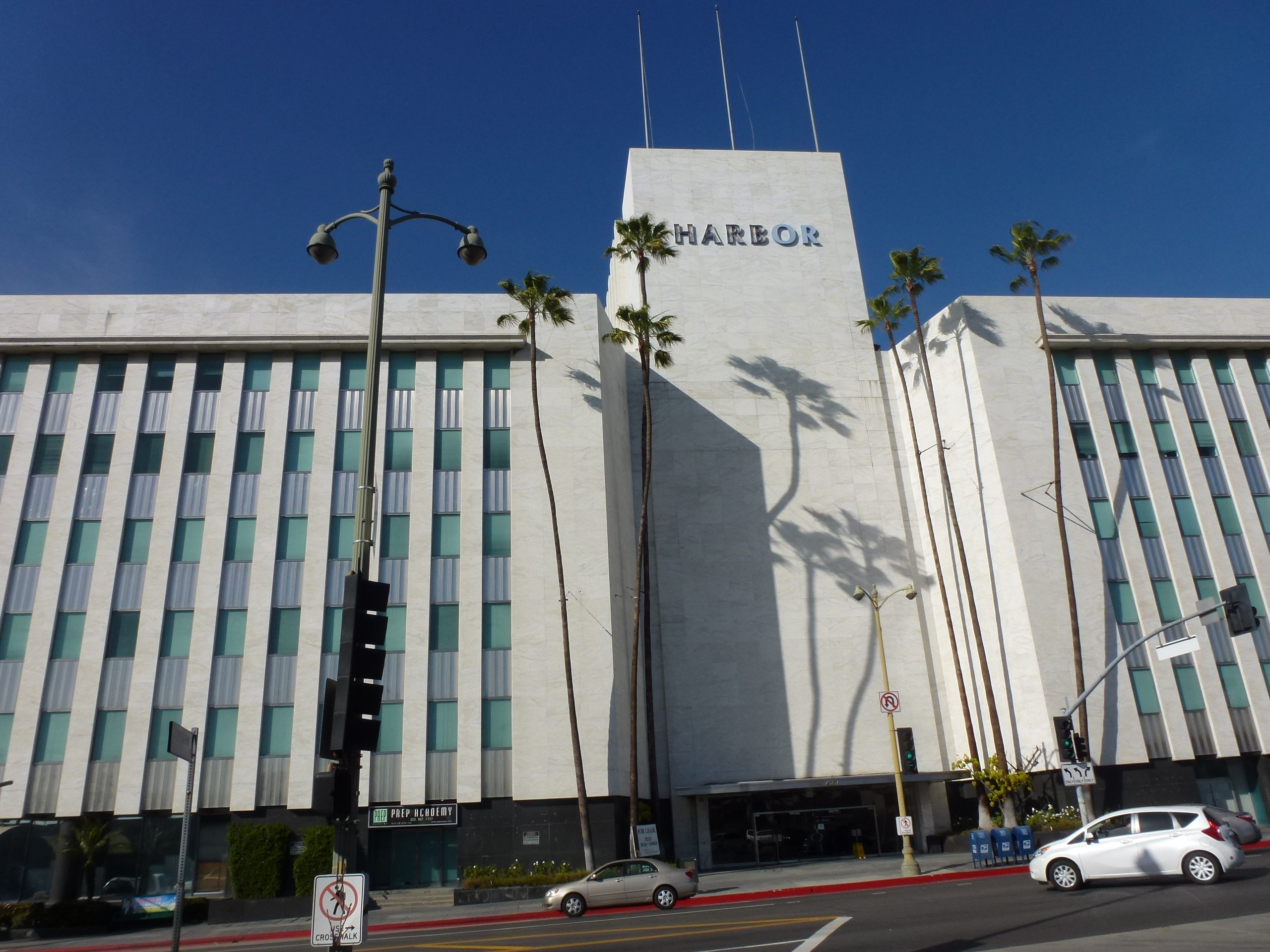

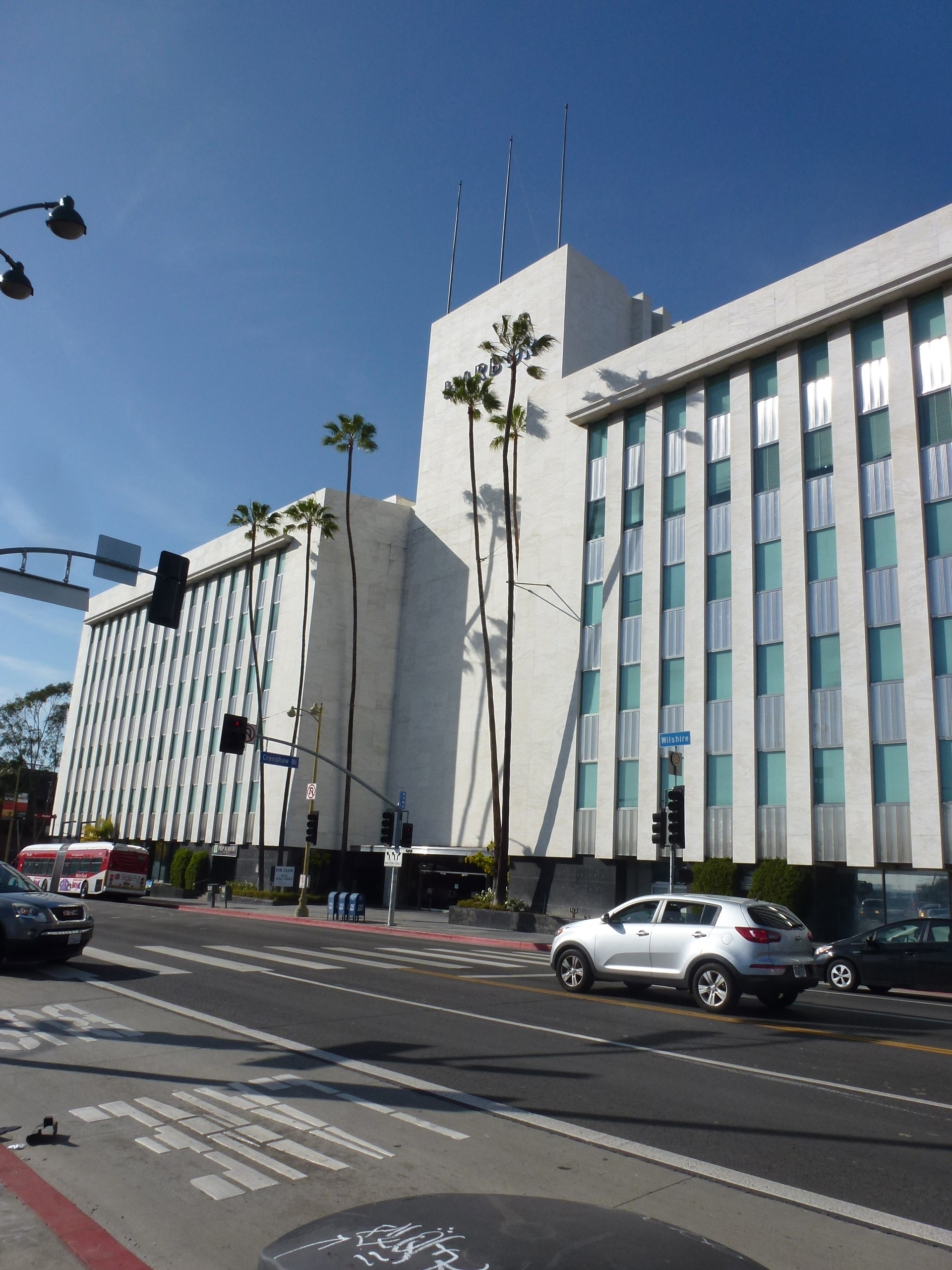
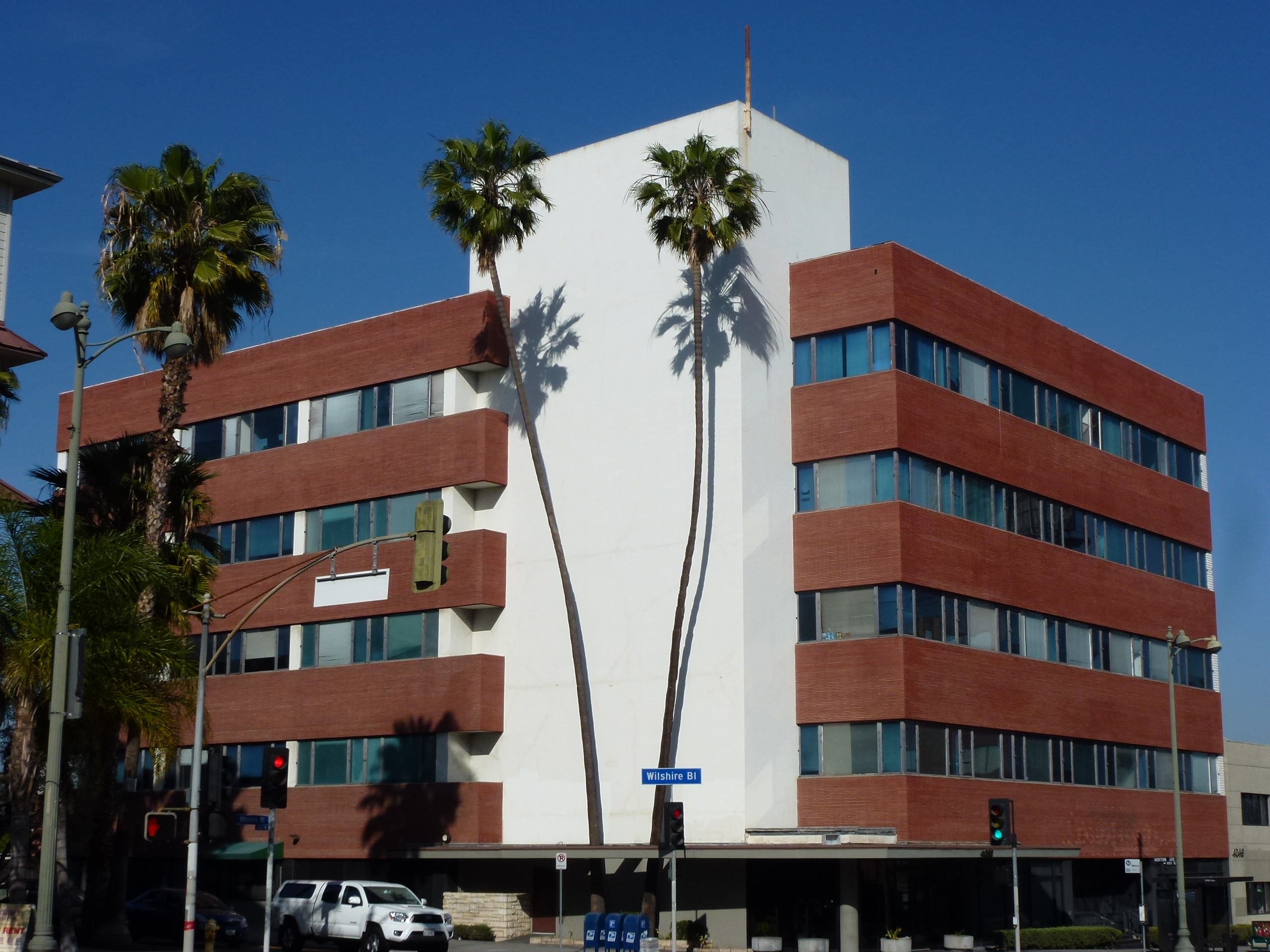
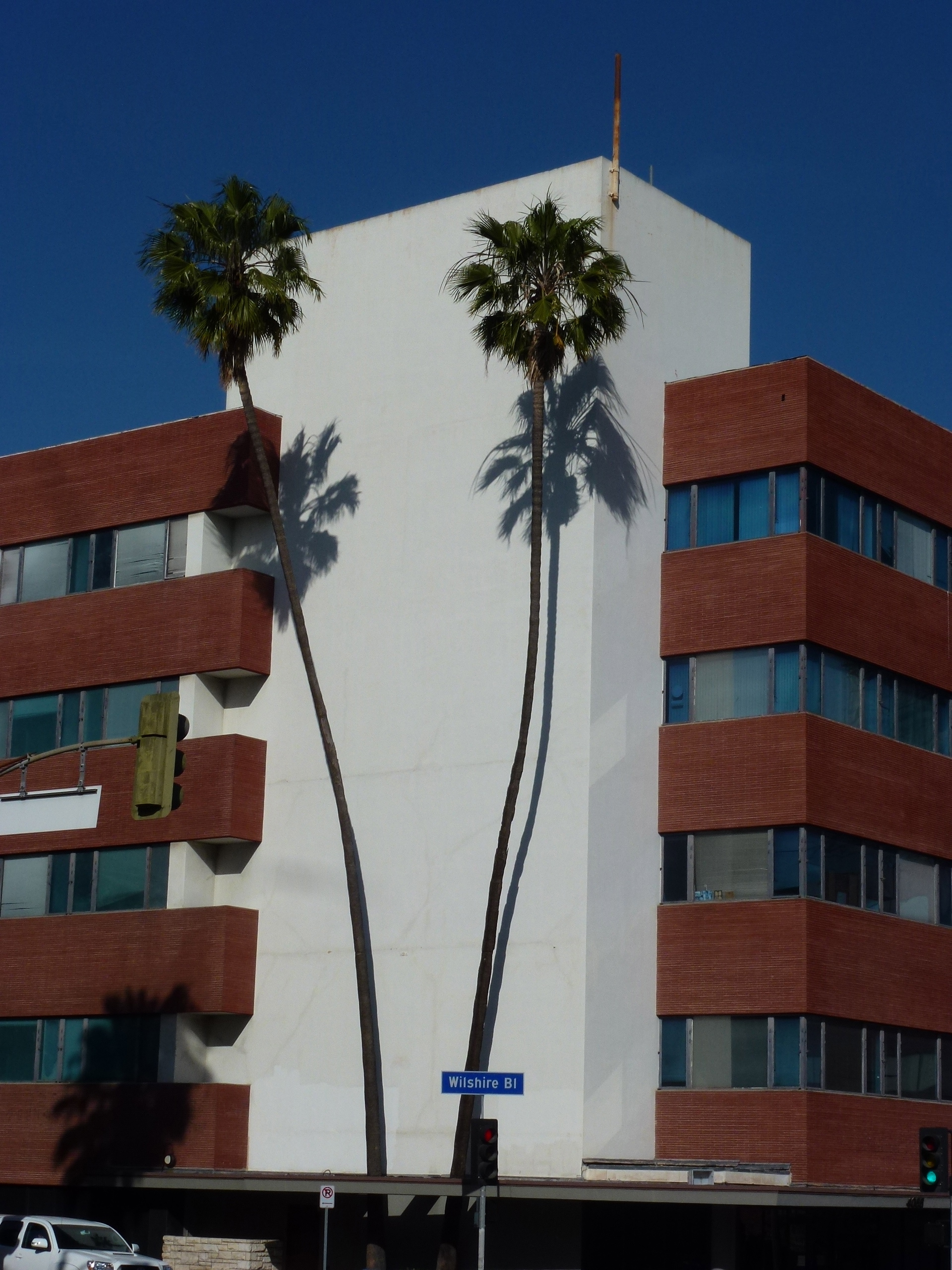
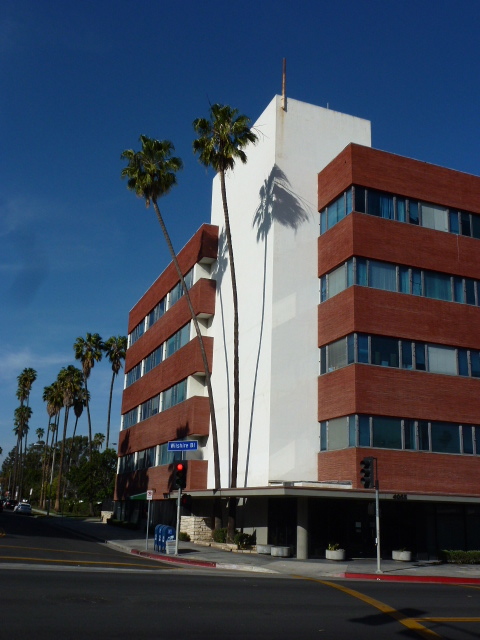
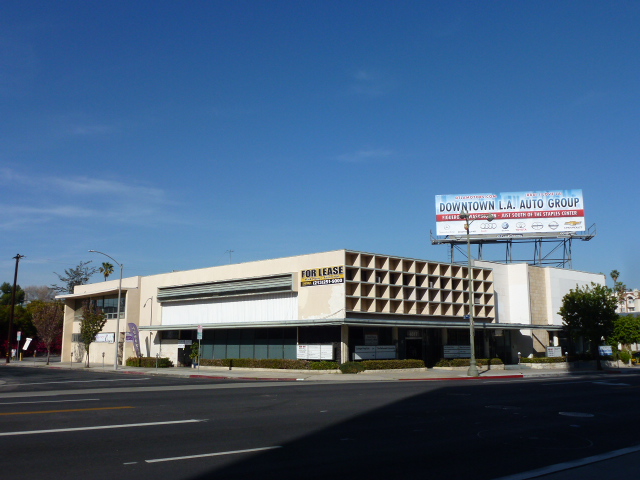
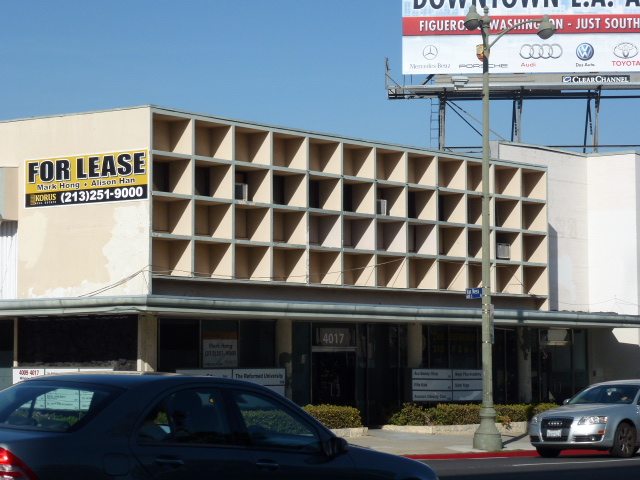
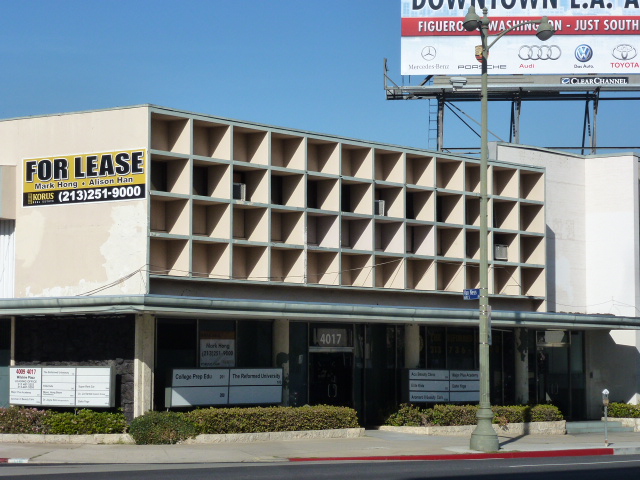

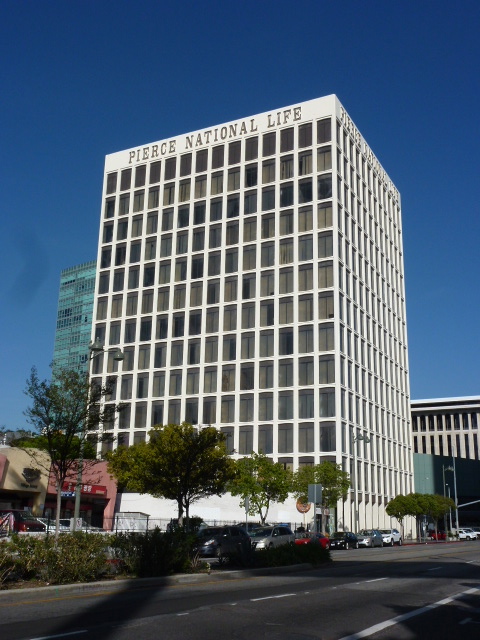
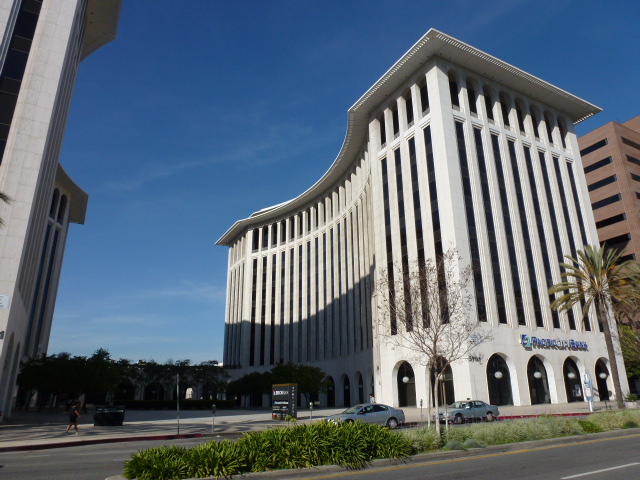
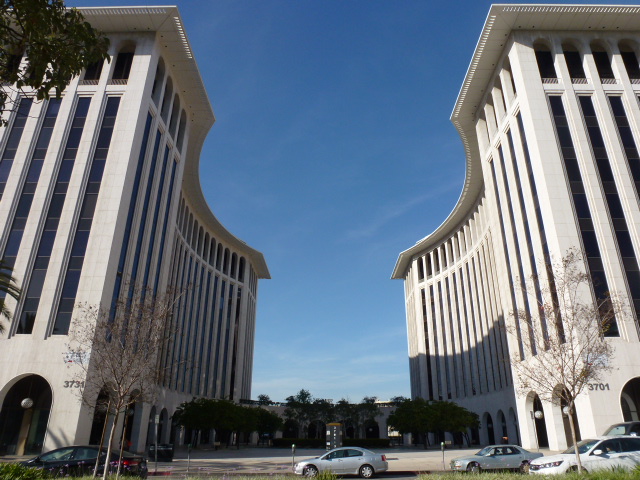
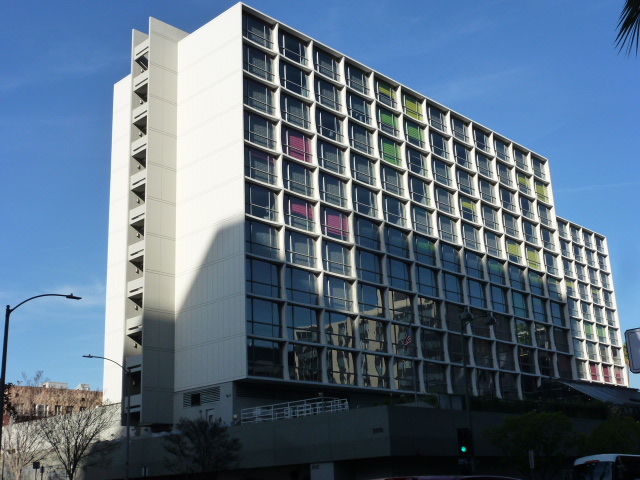
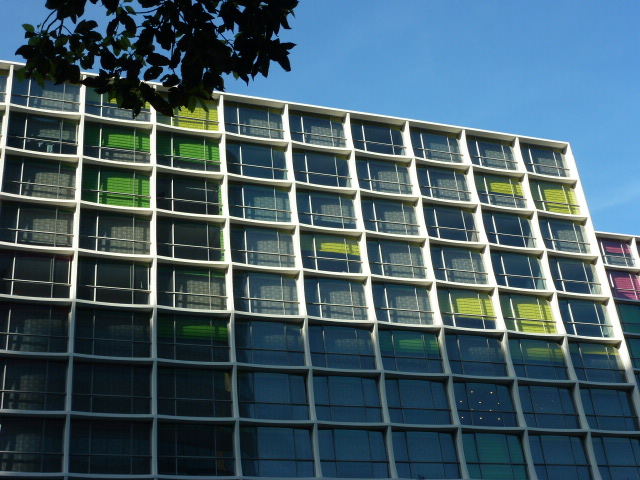
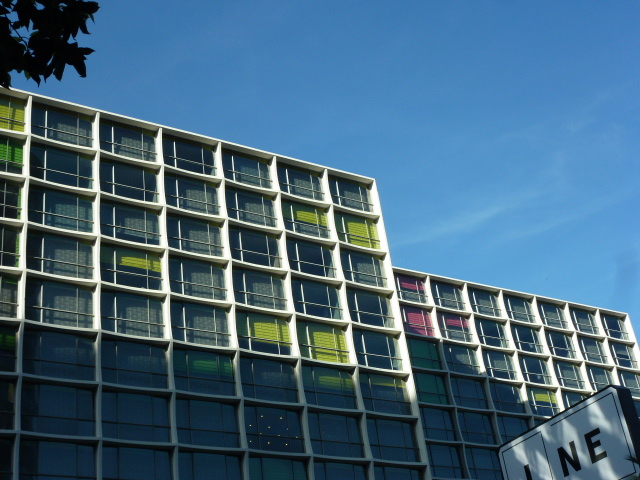
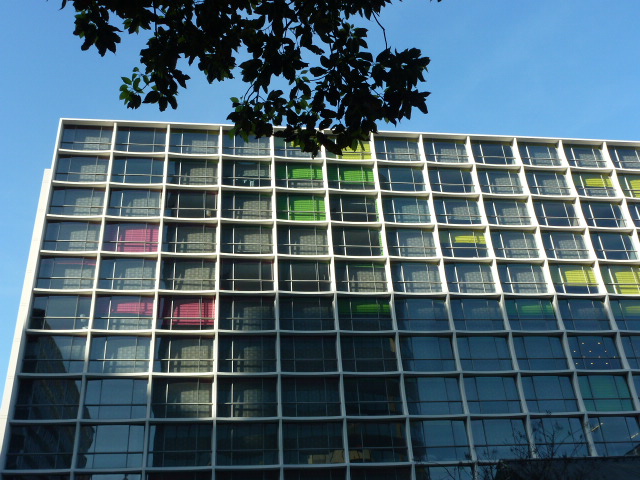


Wilshire Boulevard between Crenshaw and Western, “Koreatown”
Claud Beelman architect, 1958
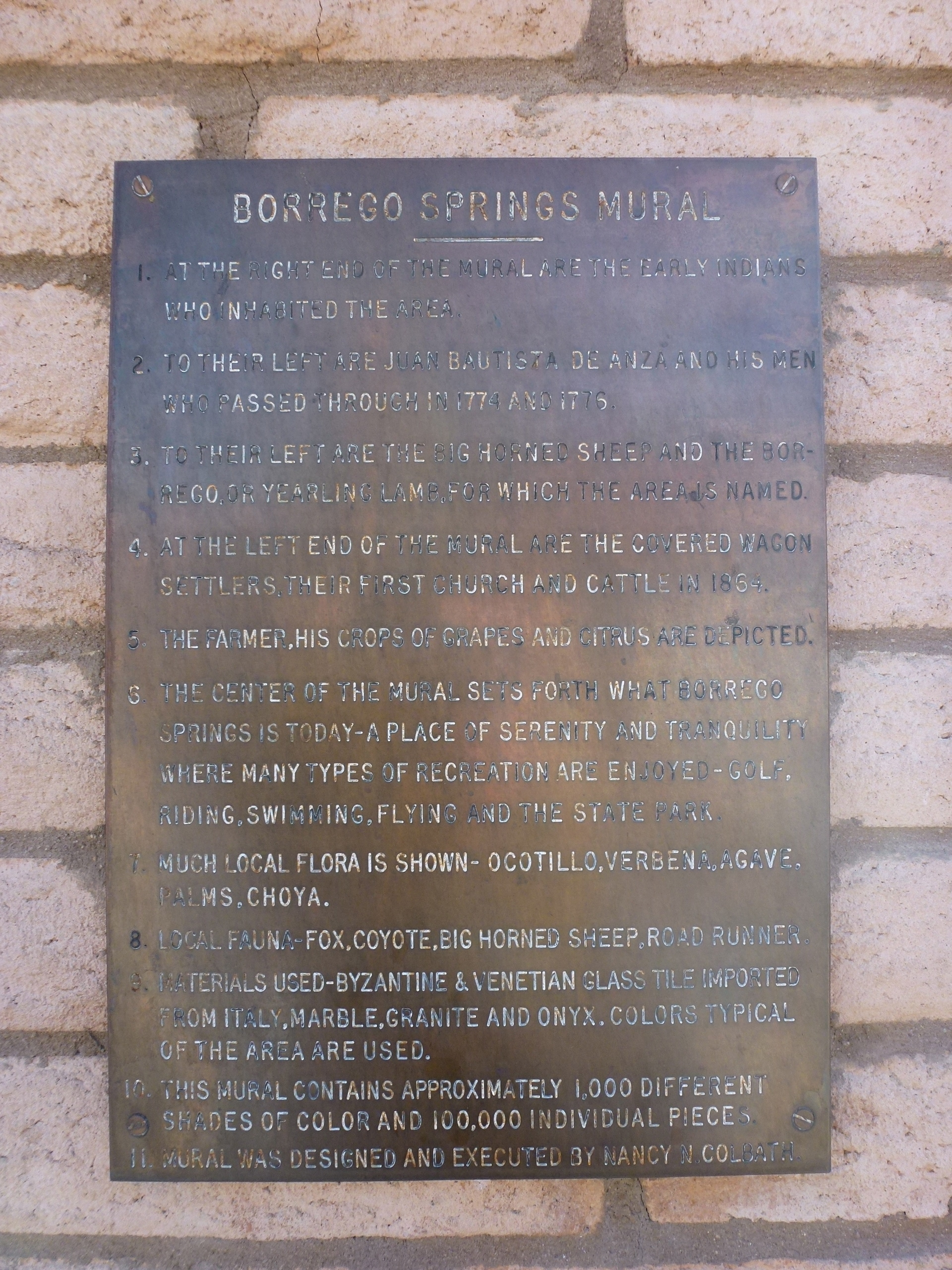
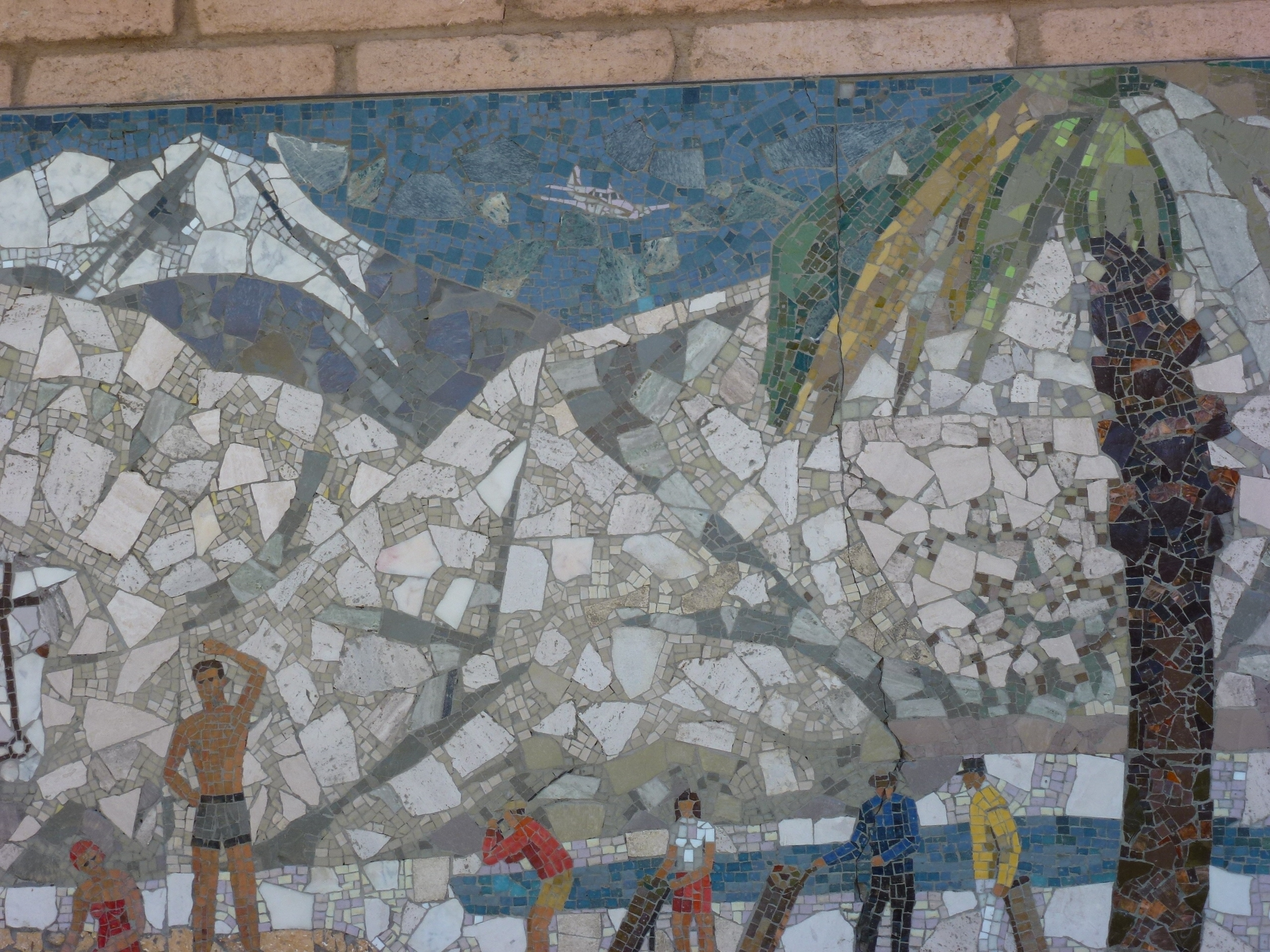
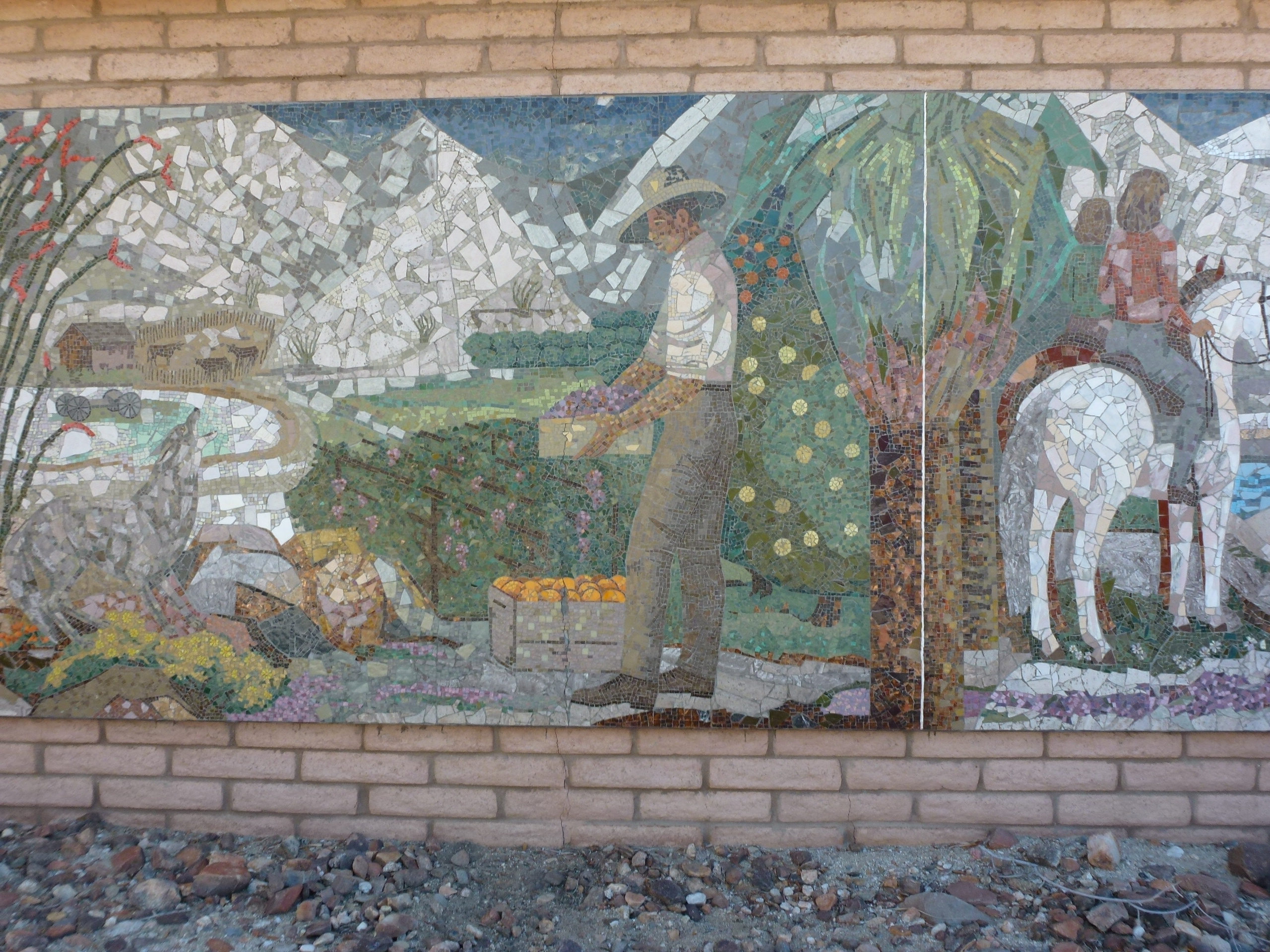
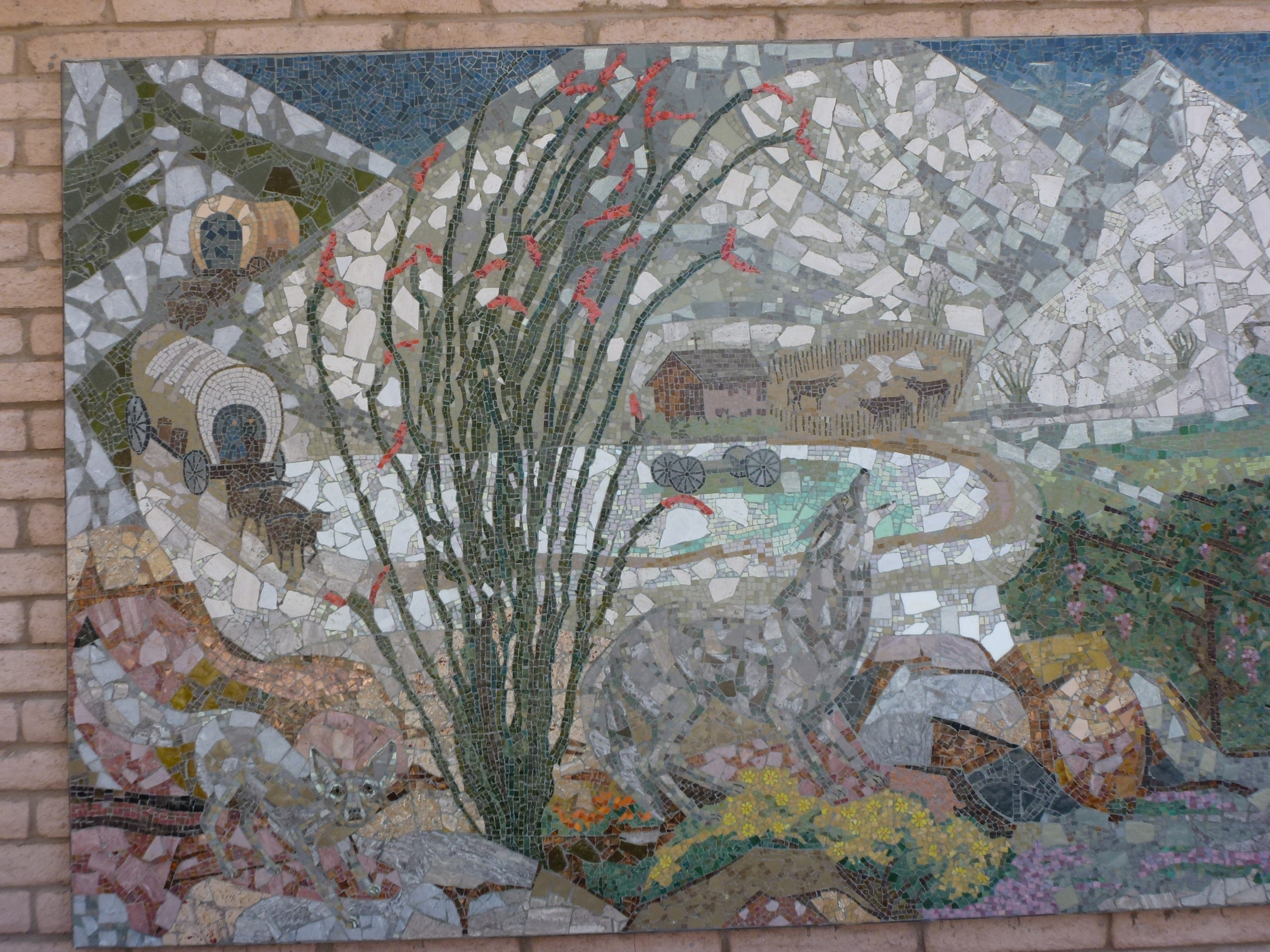
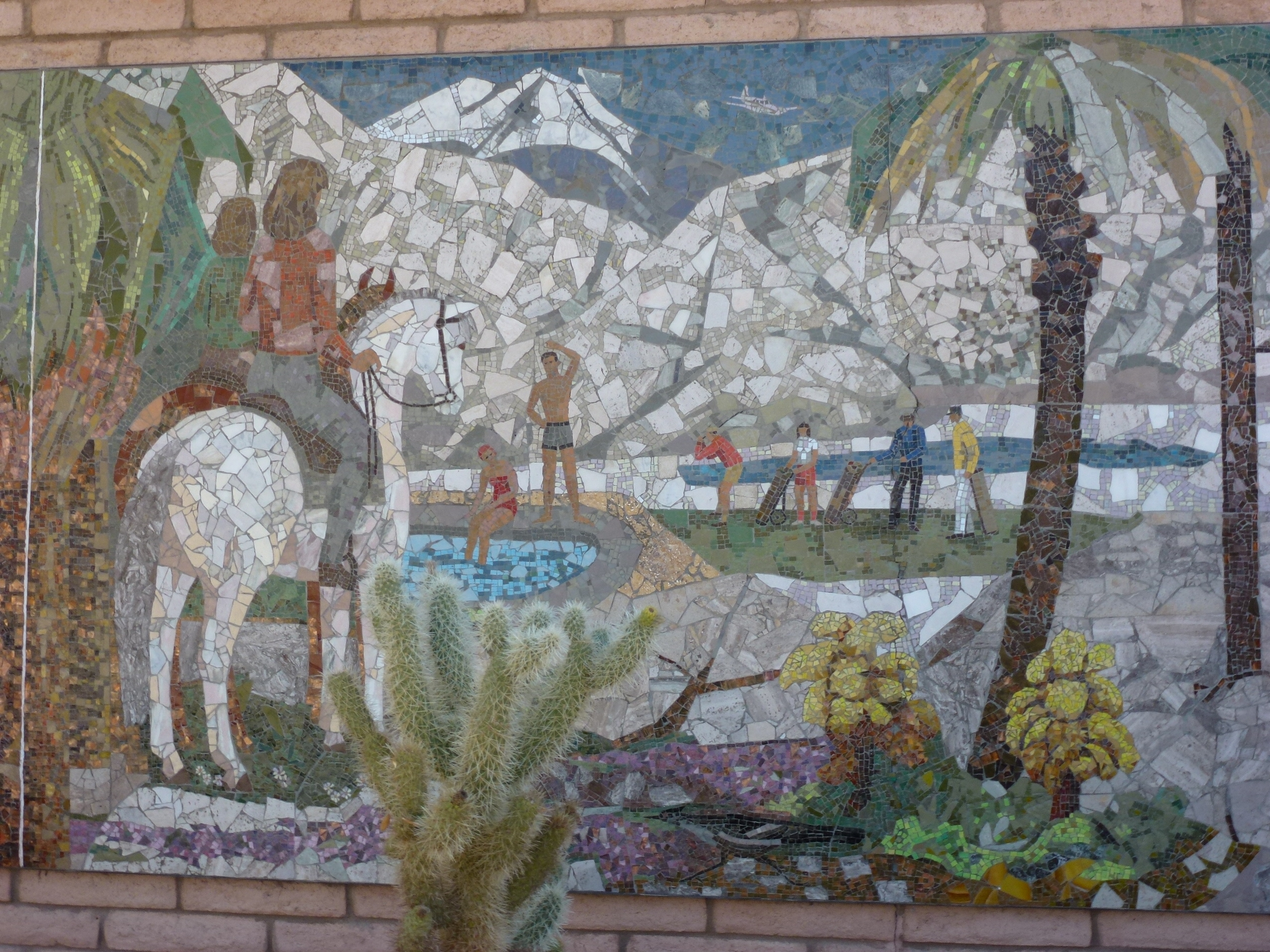
Artist Nancy Nielsen Colbath worked with Millard Sheets. This 30-foot mural is on the exterior west-facing wall of the Borrego Springs Shopping Center.
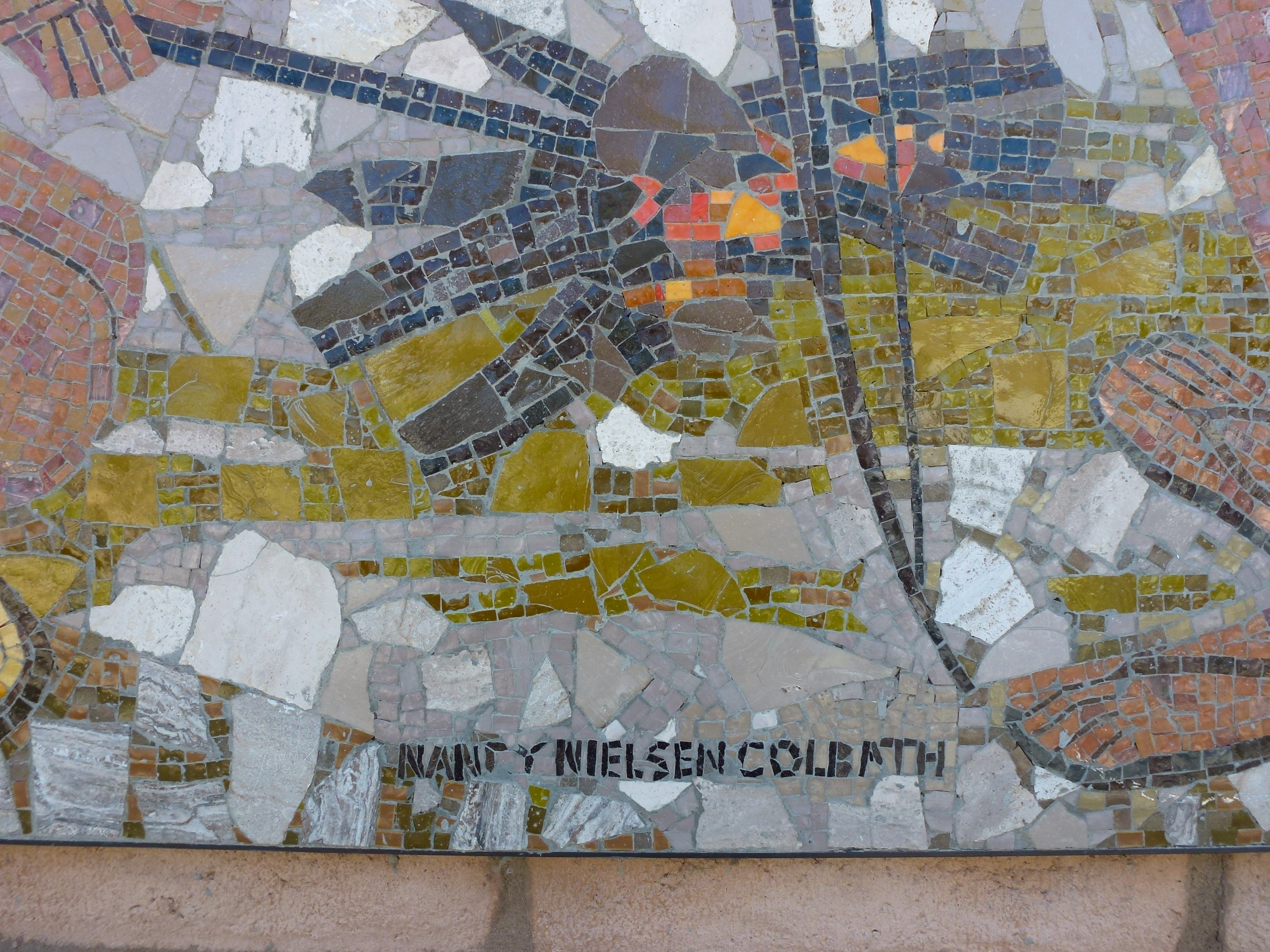
Mosaic mural by Nancy Nielsen Colbath, Shopping Center, Palm Canyon Drive, Borrego Springs, about 1970
Salton Sea
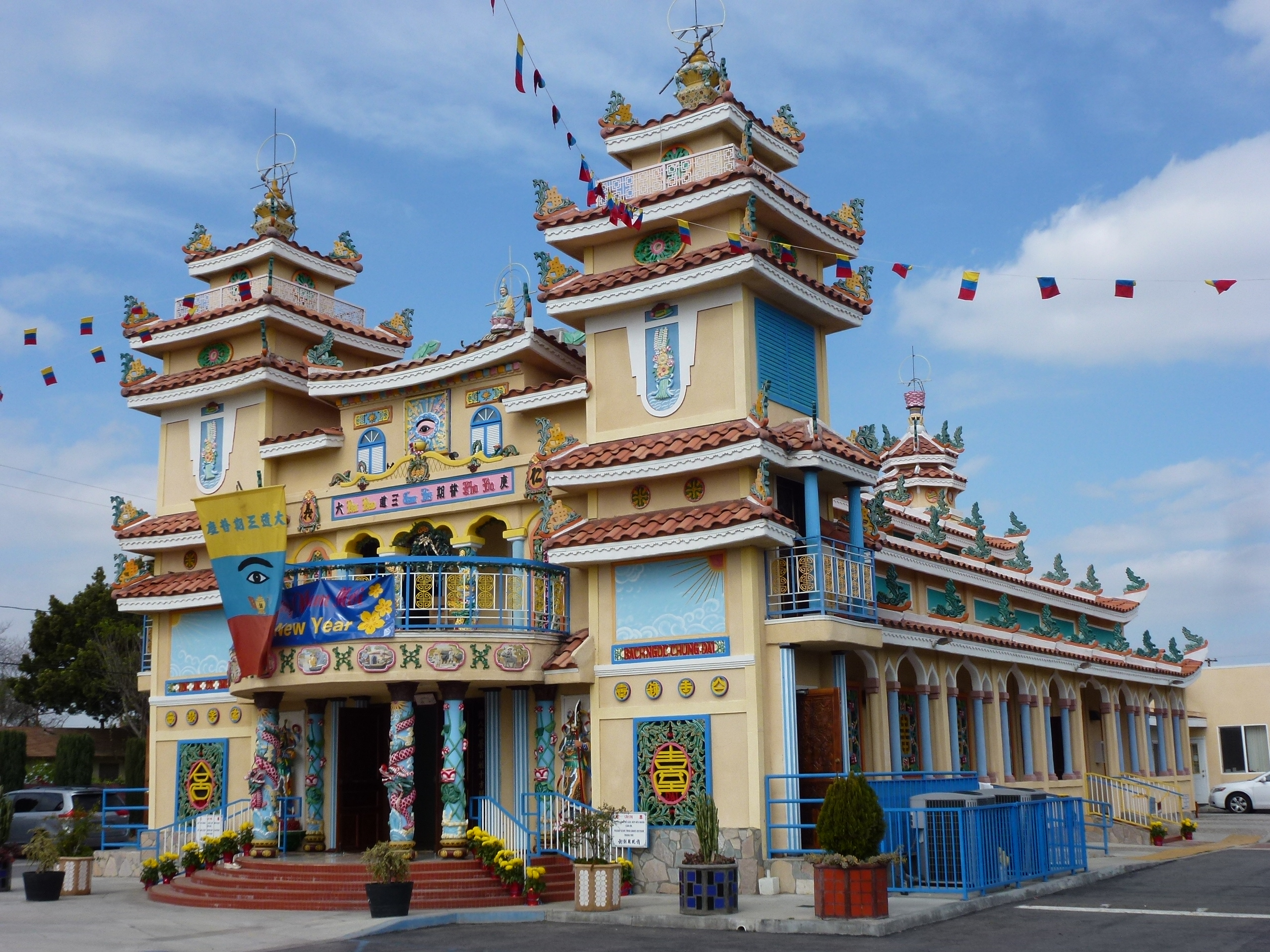
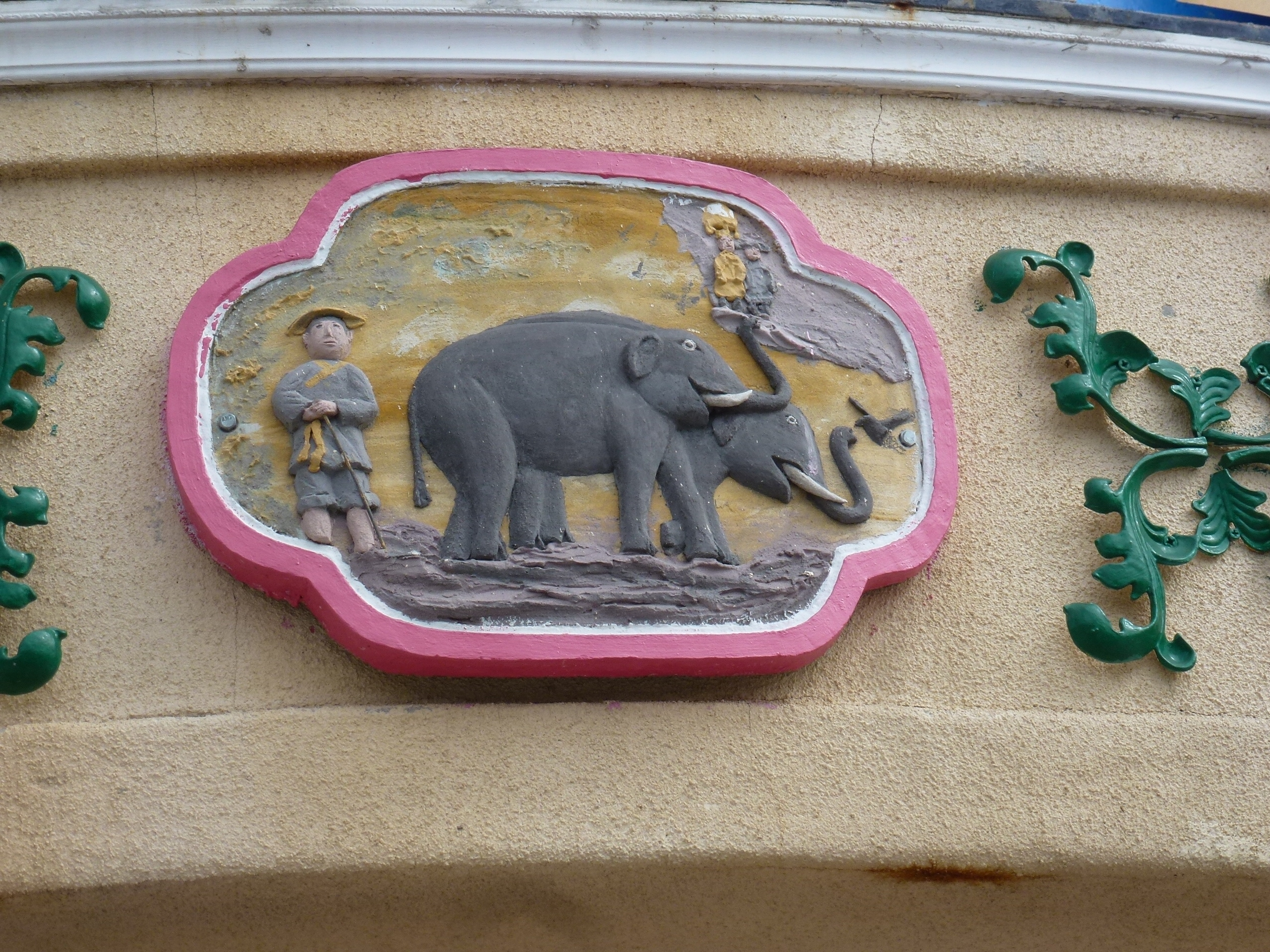
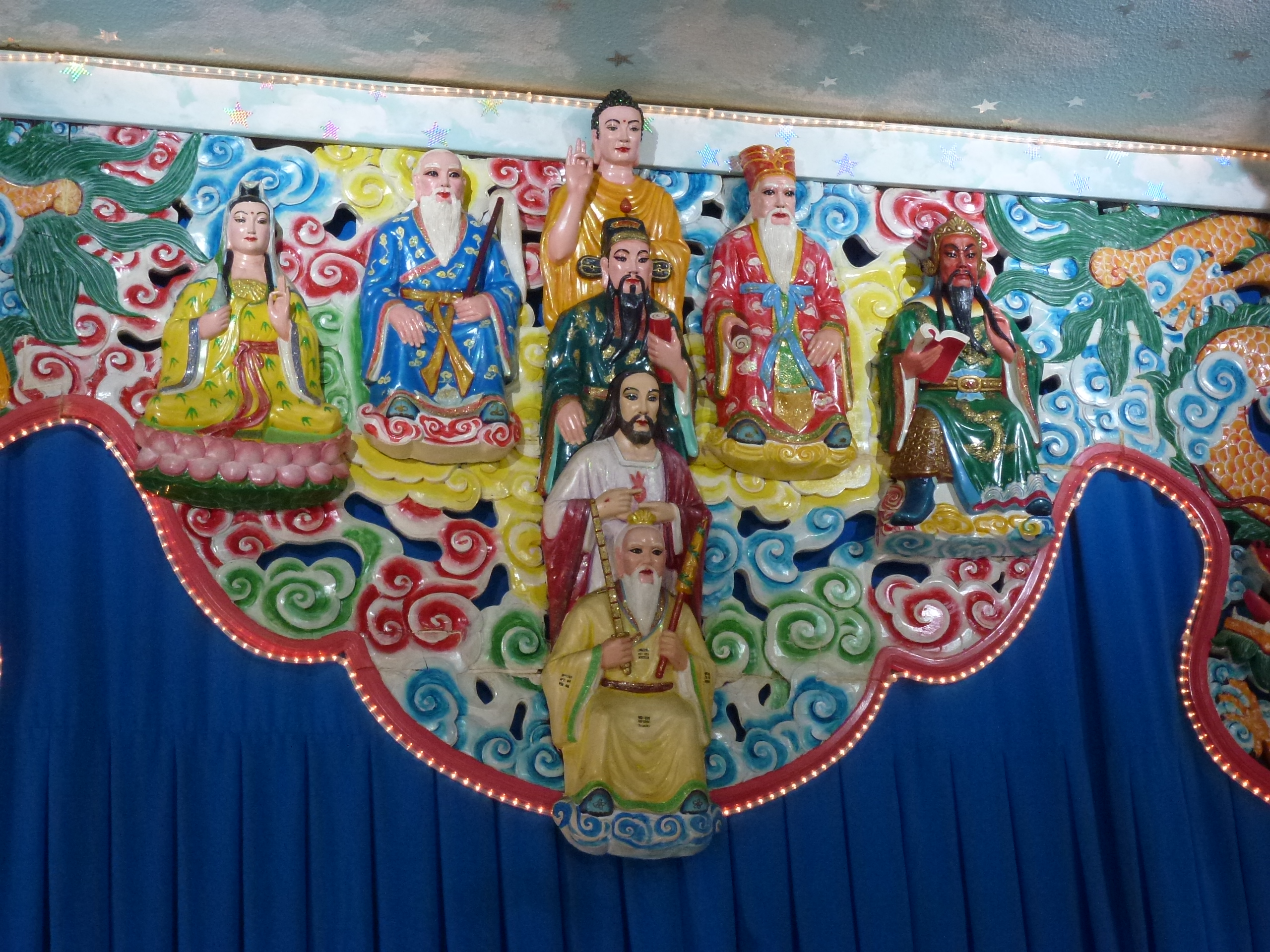
Cao Dai temple, Garden Grove
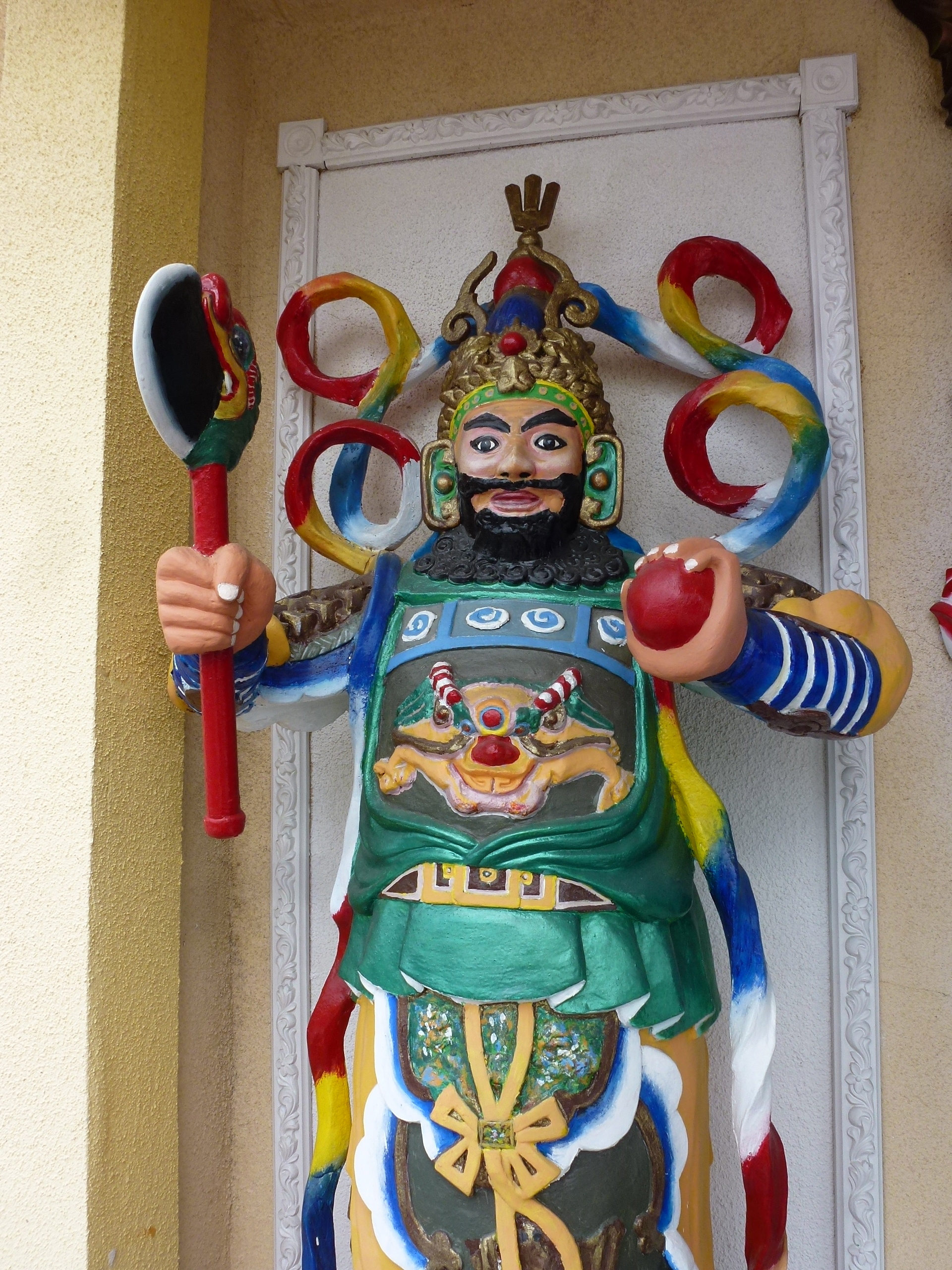
South Vermont Corridor
The South Vermont Avenue corridor experienced widespread devastation in 1965 with the Watts Riots, and again in 1992 with the Rodney King uprising. Despite decades of attempted rehabilitation, vacant lots and failed businesses remain.
Vermont and 81st
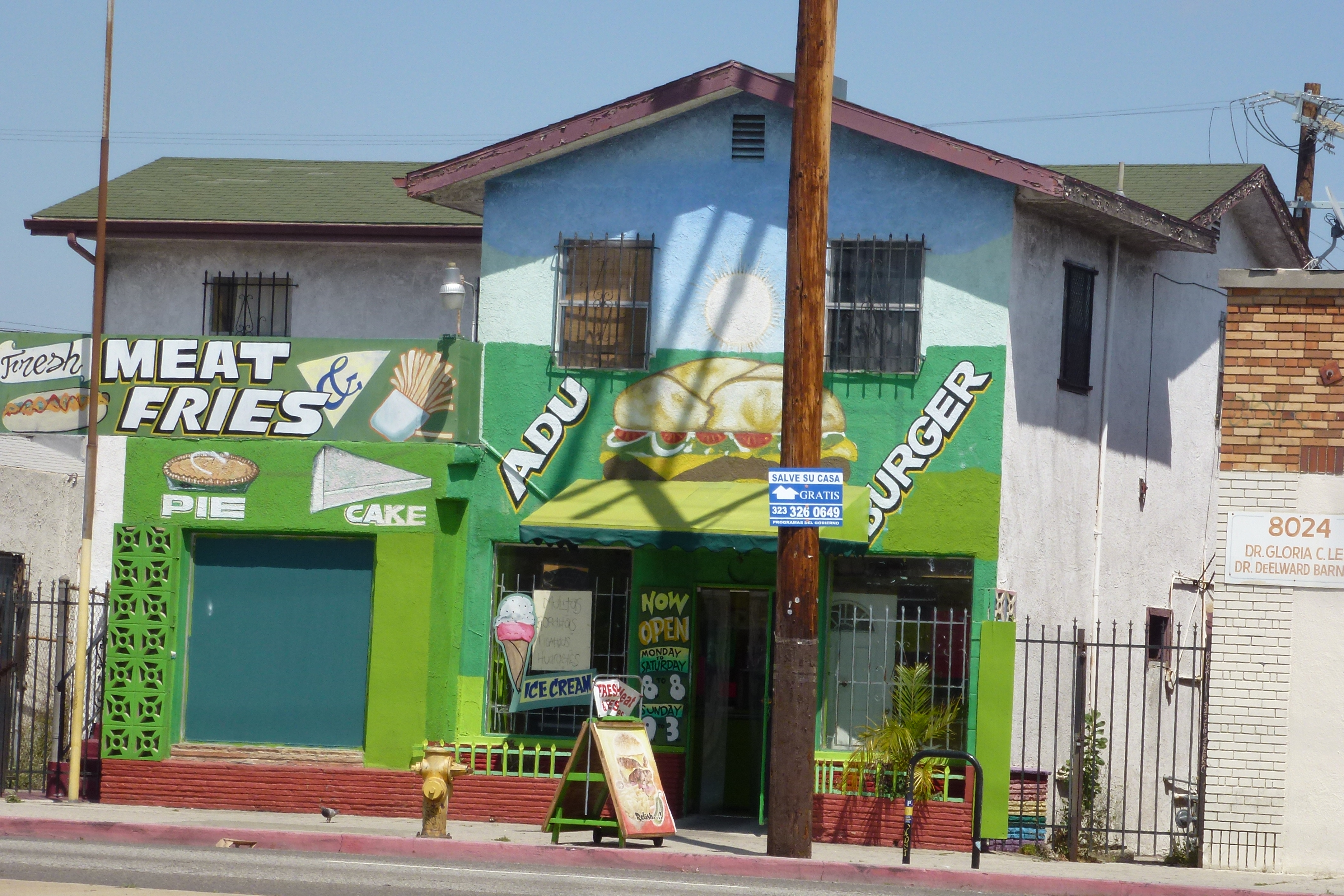
Meat & Fries, Adu Burger
“After the civil unrest of 1992, almost every constituency claimed that the riot was somehow theirs, to be appropriated for their own political ends. Similarly, in the years that followed, almost everyone laid claim to the recovery, with the power and money flowing toward it appropriated for whatever political purpose they happened to be pursuing. Nowhere in Los Angeles was the recovery-belongs-to-me phenomenon more apparent than along Vermont Avenue, and especially on a rundown, mostly vacant acre-and-a-half lot at the corner of Vermont and 81st Street, adjacent to one of the area’s nicer residential neighborhoods” (William Fulton, The Reluctant Metropolis, Chap. 11: “Whose Riot Was This, Anyway?,” Johns Hopkins, 2001, p. 286).
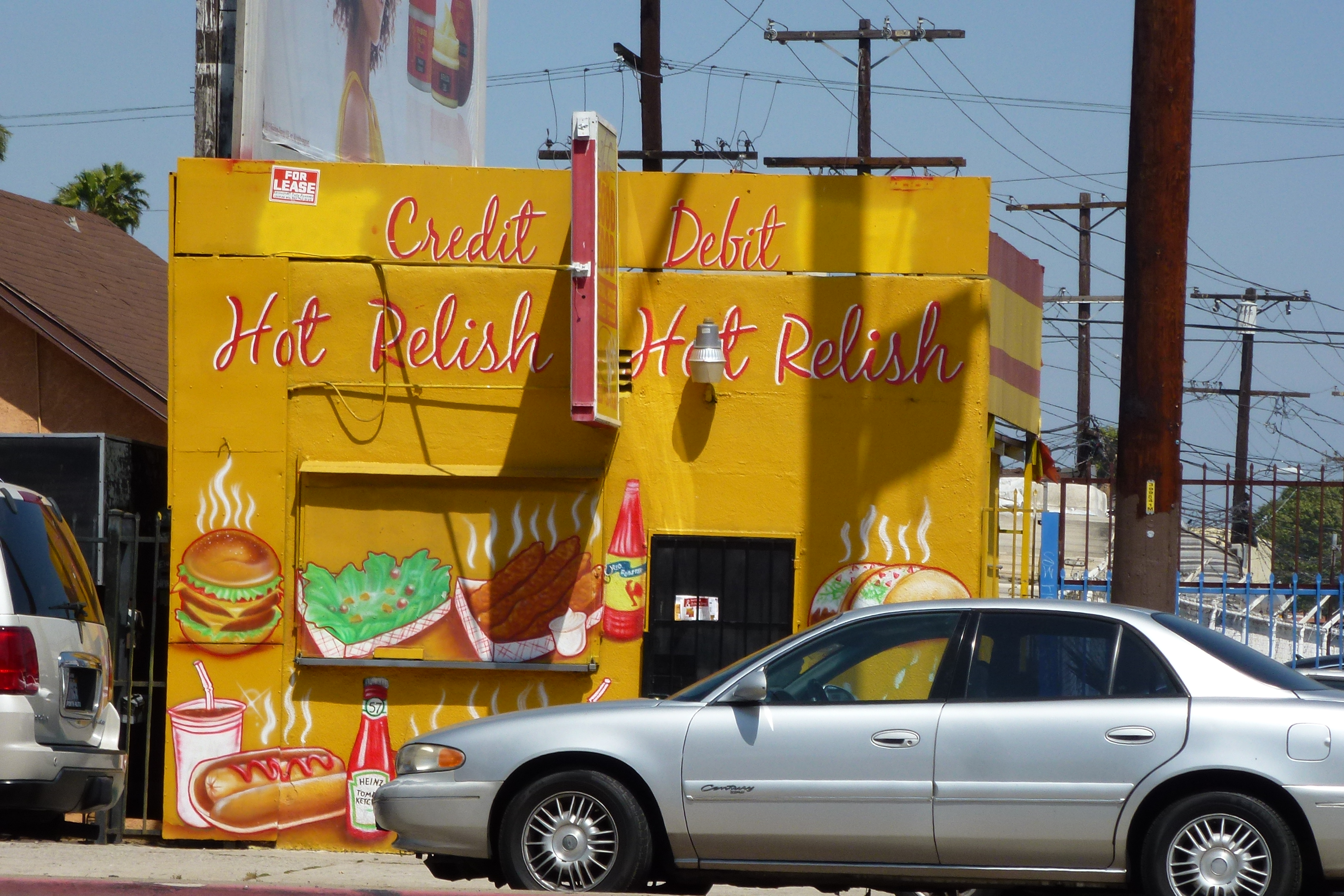
Credit or Debit, Hot Relish
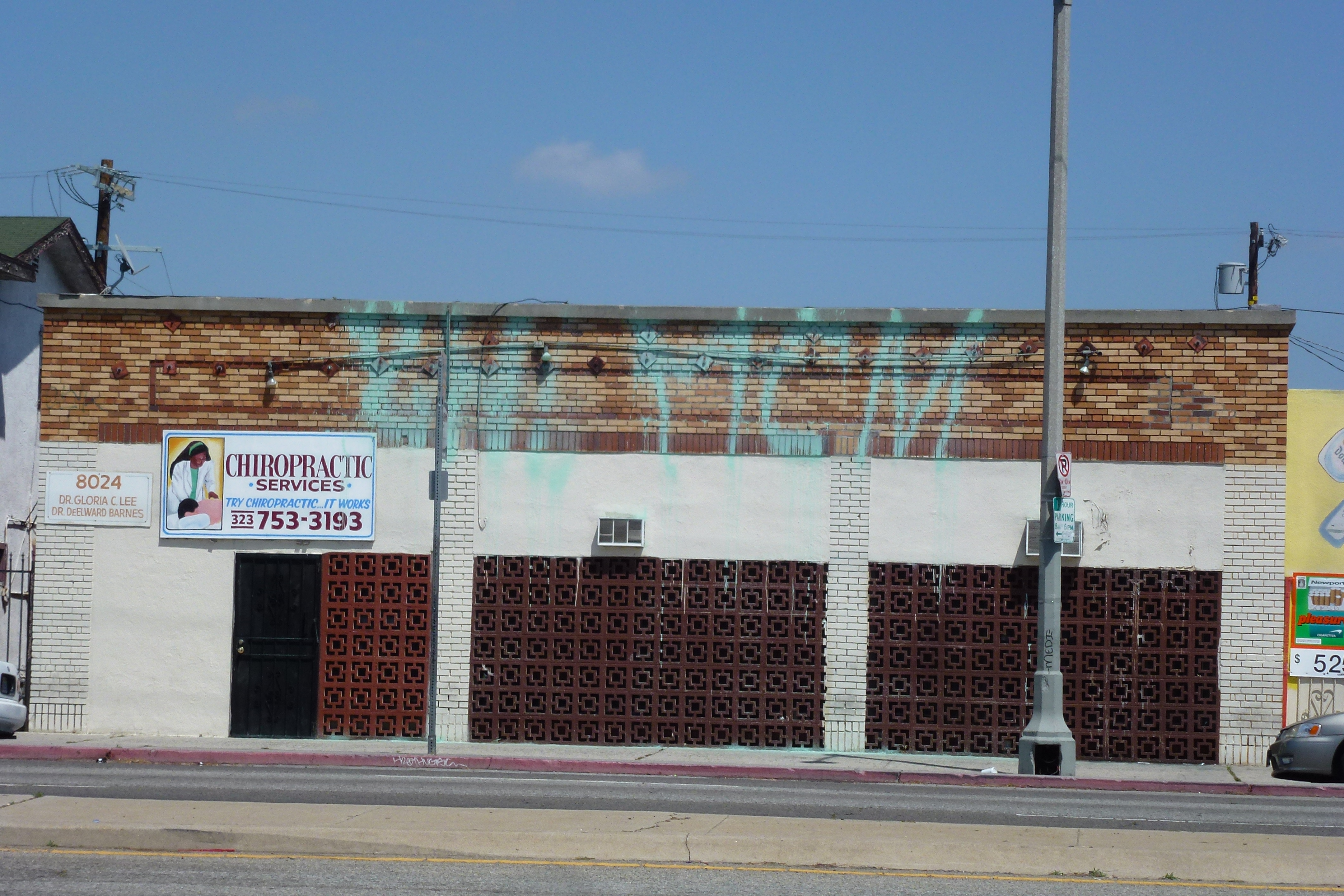
Unmaintained commercial building, new chiropractic sign

Former Bear Brakes sign, now silhouette
Ambassadors C.O.G.I.C. (Church Of God In Christ)
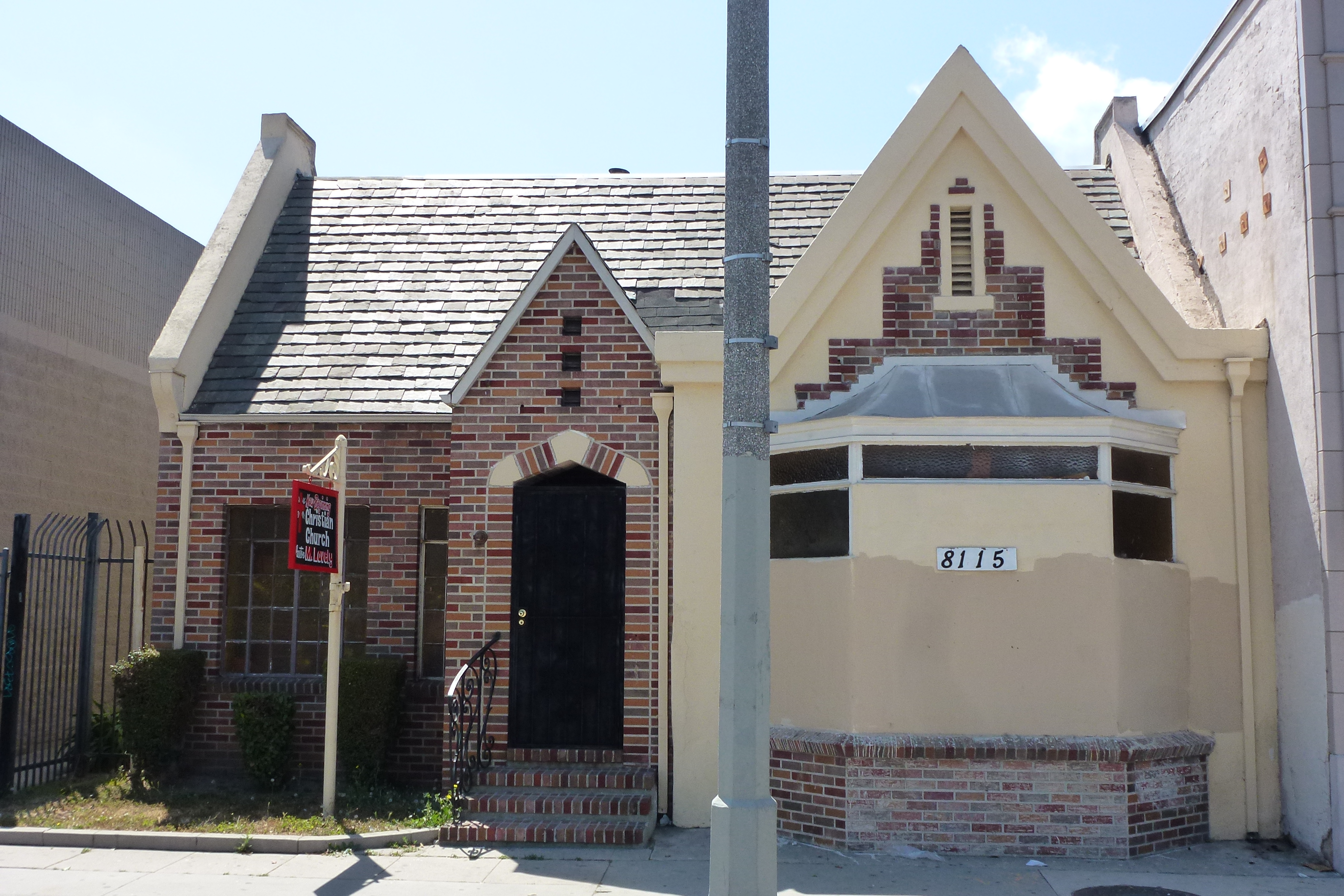
1936 house, now New Beginnings Full Gospel Church, Pastor M. Lovely
Crenshaw Christian Center
Crenshaw Christian Center, formerly Pepperdine College, ca 1937, John M. Cooper and H.L. Gogerty, architects, Katherine Bashford and Frederick Barlow Jr., landscape architects. Originally, all of the Streamline Moderne buildings of the campus were painted an aqua blue color, “Pepperdine blue.” In 1981, Pepperdine vacated to Malibu.
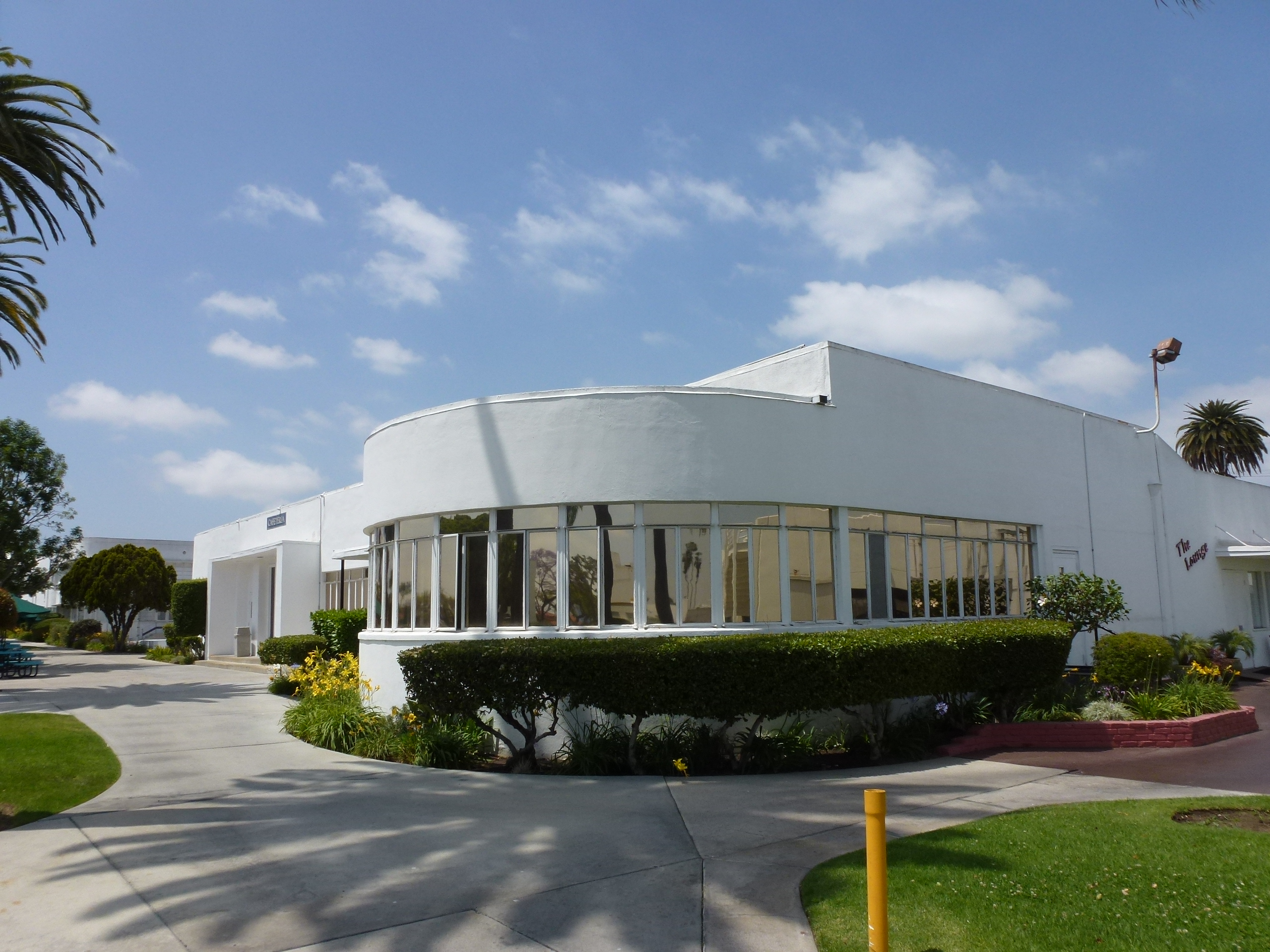
Cafeteria, Crenshaw Christian Center
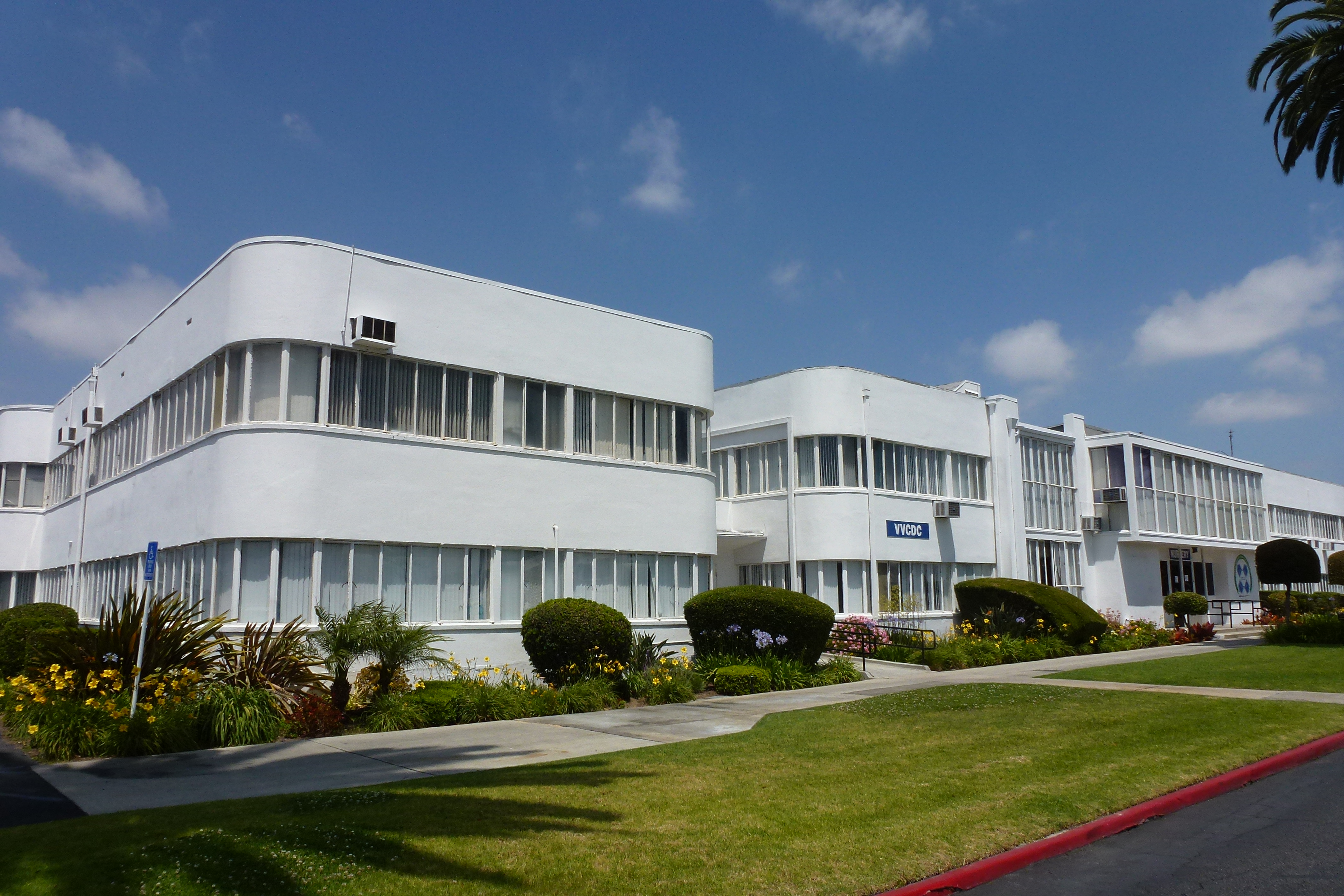
Classrooms, Crenshaw Christian Center
Bookstore, Crenshaw Christian Center
Faith Dome
Faith Dome, 1988, aluminum geodesic dome, seats 10,000+, pastor Dr. Frederick K.C. Price and son, Fred Price, preach the “prosperity gospel”
“Every church should be a big church.”—Frederick Price. In Anne C. Loveland & Otis B. Wheeler, From Meetinghouse to Megachurch (University of Missouri, 2003), p. 127.
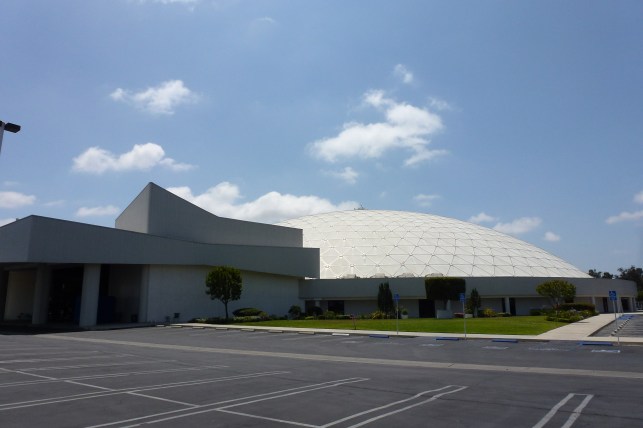
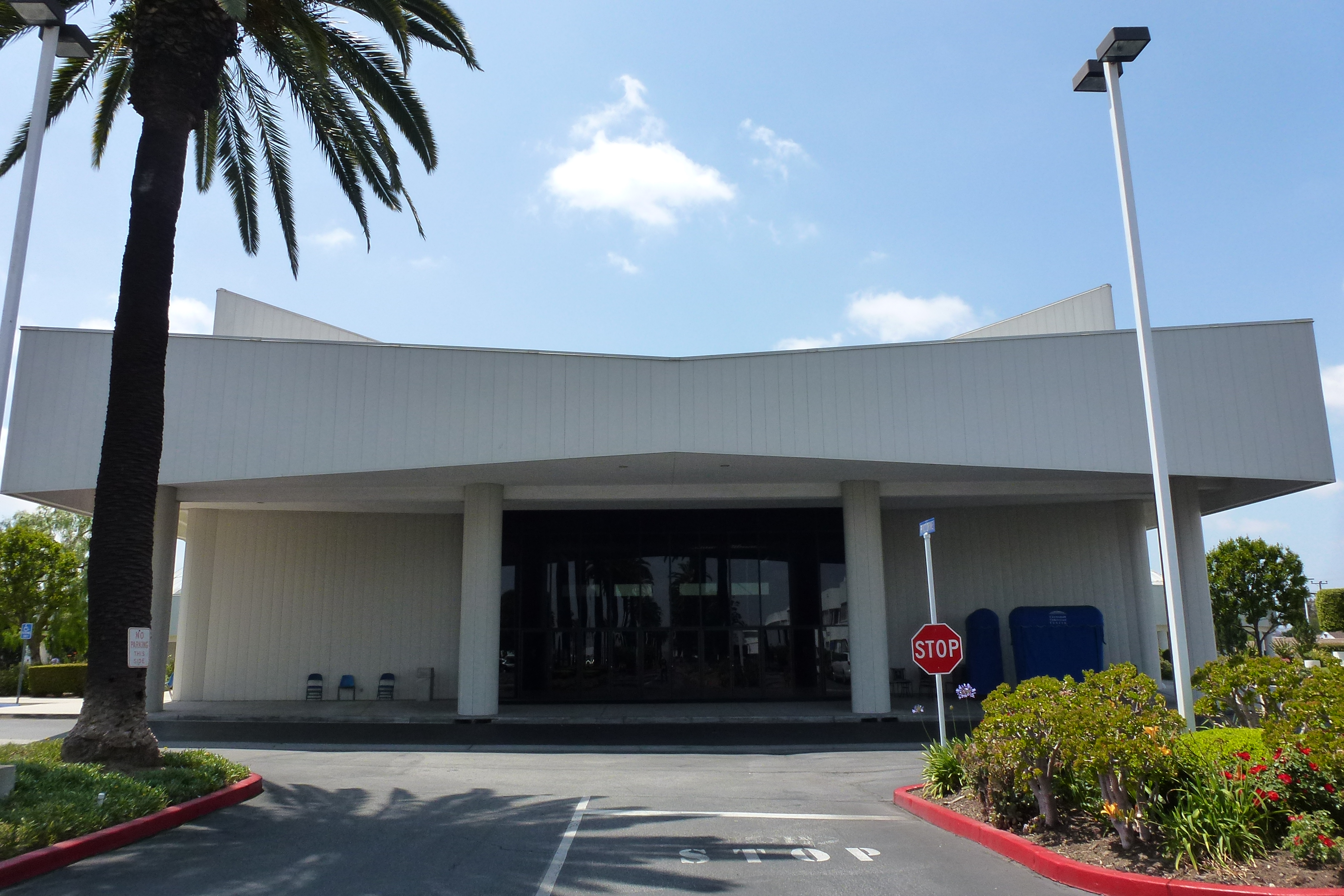
Entrance, Faith Dome
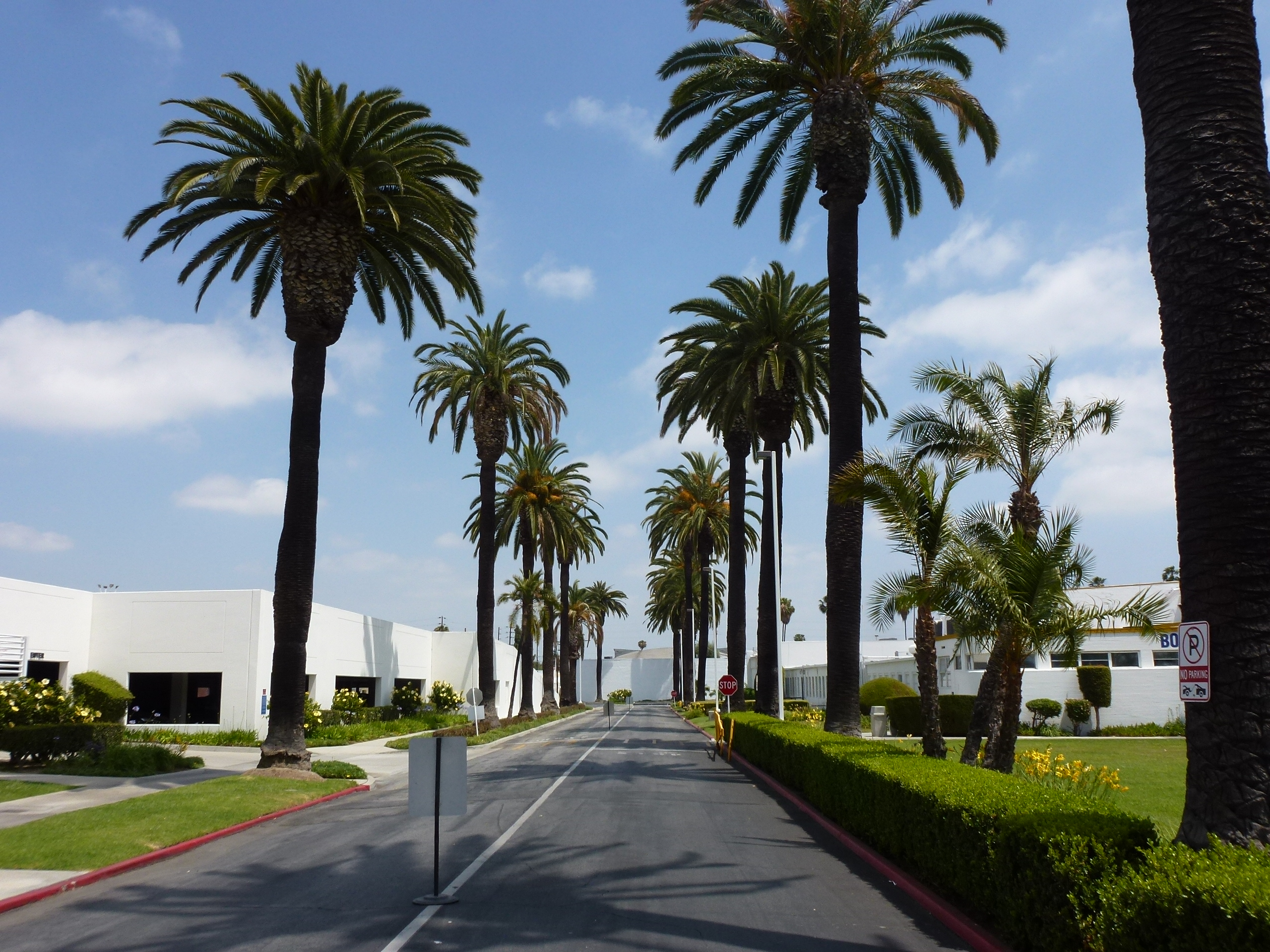
Approach to Faith Dome

Weedpatch Camp (aka Sunset Labor Camp)

Metal migrant shelter
James Gregory, American Exodus: The Dust Bowl Migration and Okie Culture in California (Oxford, 1989): “The Okie subculture survives today. It is most apparent in the San Joaquin Valley, where so many of the Dusty Bowl migrants made their homes.”

Weedpatch Camp, seasonal housing

Weedpatch Camp, community hall

Trout’s, 805 N. Chester

Pumpkin Center Barn Dance, south of Bakersfield

Don Rich’s grave, Hillcrest Cemetery

Buck Owens’ mausoleum, Greenlawn SW Cemetery
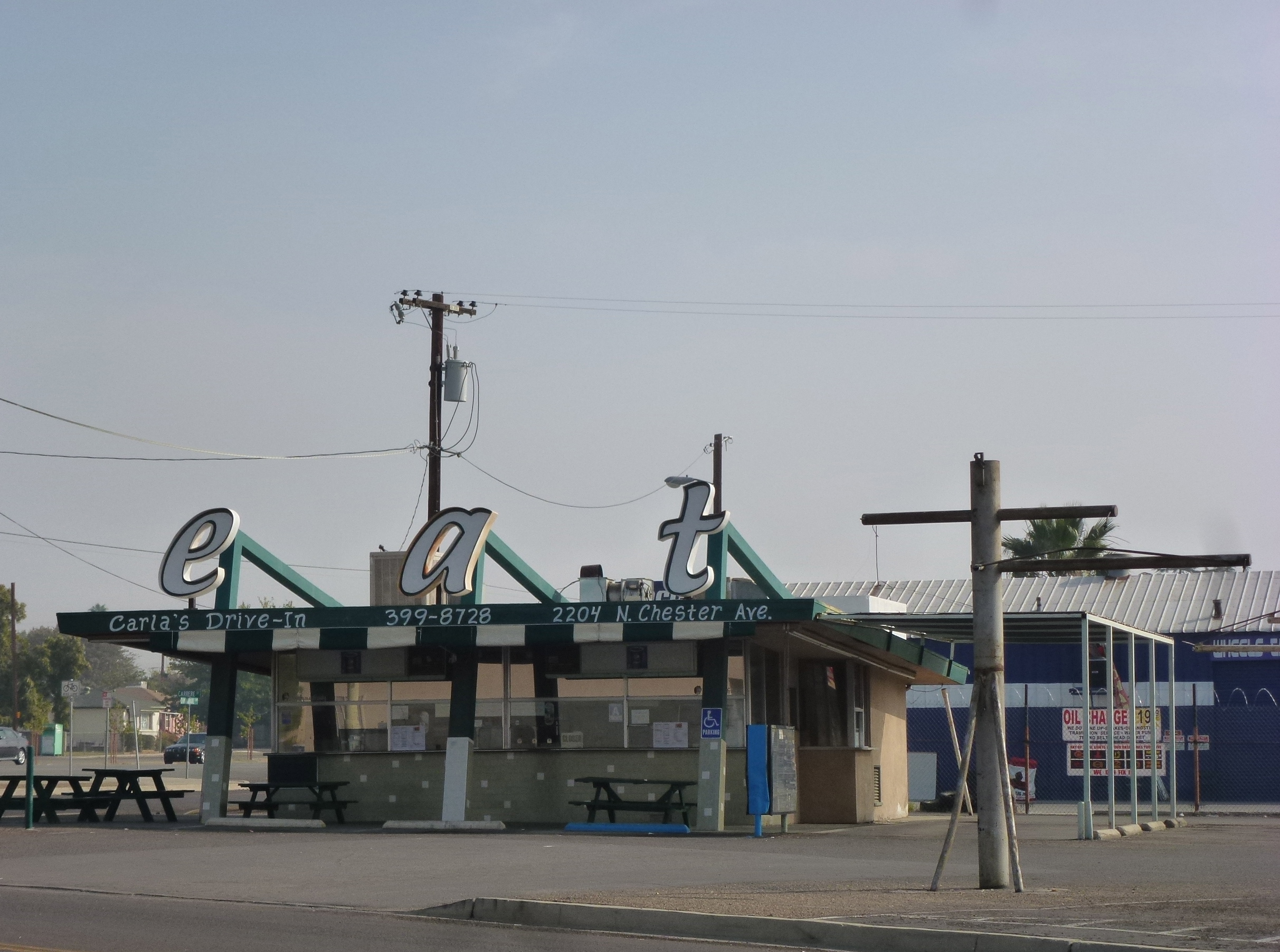
Eat

 7up, east of downtown

Treehouse, Arvin

James R. Thompson Center: Illinois State government offices, 1985

James R. Thompson Center

James R. Thompson Center

Chicago Daily News Building: Holabird & Root, architects, 1929, said to be the first building that “embraced the river”

Merchandise Mart: Graham, Anderson, Propst & White, architects, 1930

Back side of Civic Opera Building: Graham, Anderson, Propst & White, architects, 1929


Trump

 Marilyn Novell